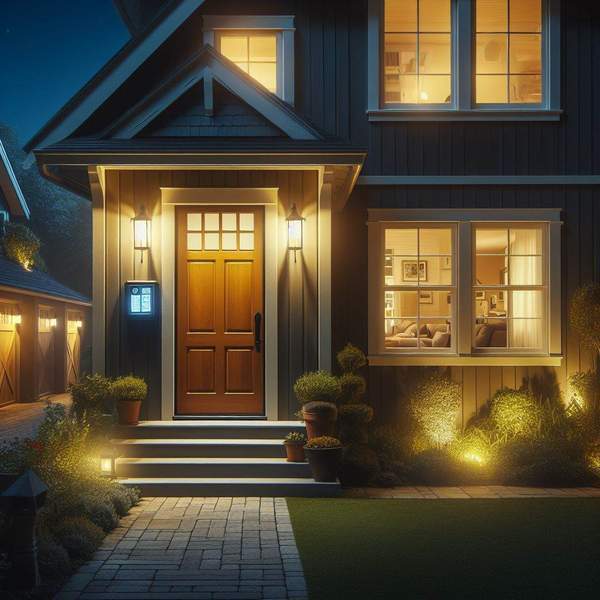
Smart homes are revolutionizing safety standards in the residential sector, offering innovative solutions to age-old problems. As homes become increasingly equipped with interconnected devices, the potential for enhanced safety and efficiency grows exponentially. This transition is crucial for homeowners and property buyers who prioritize safety, making it imperative to understand the impact of smart technology on home safety standards.
Enhancing Home Security with Smart Technology
Modern smart home systems offer a range of security features that redefine traditional safety measures. These systems often include:
- Smart Cameras: Capable of live streaming and motion detection, smart cameras provide homeowners with real-time surveillance capabilities.
- Automated Locks: Keyless entry and remote access allow for greater control over who enters the home.
- Smart Alarms: Integrated with mobile devices, these alarms offer immediate notifications of security breaches.
Such features not only deter potential intruders but also provide peace of mind, knowing that homes are being monitored around the clock. Home inspectors should assess the integration and functionality of these smart systems during evaluations to ensure they meet safety standards.
Smart Sensors: The Silent Guardians
Smart sensors play a pivotal role in enhancing household safety. These devices detect various hazards and are crucial for preemptive safety measures. Key smart sensors include:
- Smoke and Carbon Monoxide Detectors: Smart detectors can alert homeowners and emergency services, potentially reducing response times during critical situations.
- Water Leak Sensors: Installed in basements or near plumbing fixtures, these sensors notify homeowners of potential leaks, preventing water damage before it escalates.
Regular home inspections should involve checking the placement and operational status of these sensors to ensure they are effectively protecting the home.
Energy Efficiency and Safety
Smart homes not only enhance security but also improve energy efficiency, contributing to overall safety. Smart thermostats and lighting systems allow for precise control, reducing the risk of electrical hazards. Inspectors should evaluate whether these systems are installed correctly and functioning as intended to maximize both energy savings and safety.
In conclusion, the integration of smart home technology significantly impacts safety standards in modern homes. By understanding and implementing these advancements, homeowners can enjoy enhanced security and efficiency. Professional home inspection services are essential in verifying the effectiveness and safety of such systems, ensuring peace of mind for property owners and buyers alike.