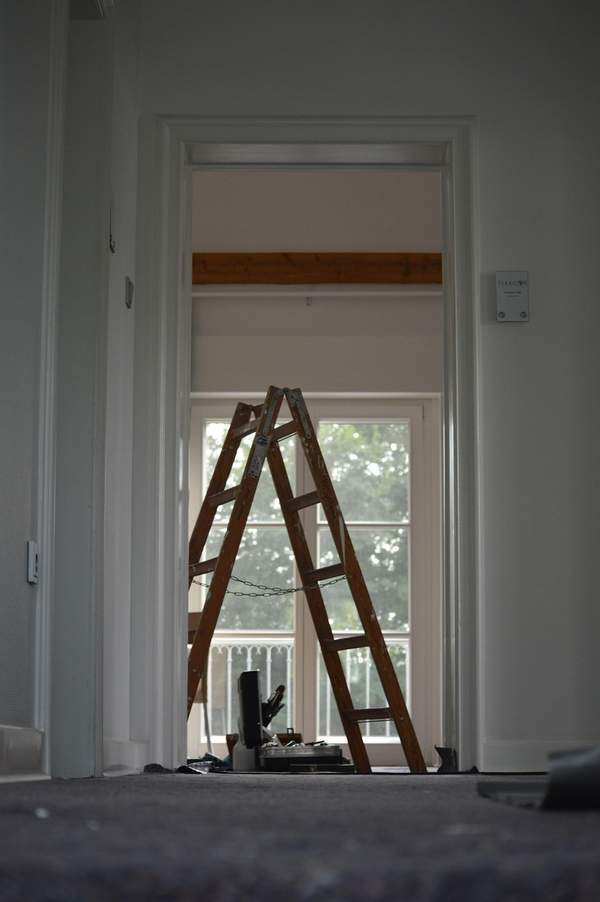
Deferred maintenance is a common issue faced by many homeowners, often resulting in costly repairs if not addressed promptly. This topic is crucial for homeowners and property buyers alike, as neglected maintenance can significantly impact property value and safety. By understanding the moral and financial implications of deferred maintenance, stakeholders can make informed decisions about property upkeep.
Understanding Deferred Maintenance
Deferred maintenance refers to the practice of delaying necessary repairs and upkeep on a property. This can include postponed fixes for roofing, plumbing, electrical systems, and more. According to industry standards, regular maintenance should be performed to prevent small issues from escalating into major problems.
- Roof inspections should occur annually to check for damage or wear.
- Plumbing systems often require bi-annual checks to ensure no leaks or blockages.
- Electrical systems should be evaluated annually to prevent hazards.
Ignoring these routine checks can lead to significant deterioration, ultimately affecting property value and living conditions.
The Financial and Ethical Considerations
The financial burden of deferred maintenance is a shared concern among homeowners, sellers, and buyers. When maintenance is deferred, repair costs can multiply, leading to financial strain. Moreover, ethical dilemmas arise when sellers fail to disclose these issues to potential buyers, potentially leading to disputes.
Homeowners are encouraged to:
- Schedule regular inspections to identify potential issues early.
- Create a maintenance budget to handle minor repairs as they arise.
- Disclose any deferred maintenance to buyers to maintain transparency and trust.
The Role of Professional Inspections
Engaging a professional home inspector is a critical step in managing deferred maintenance. Inspectors provide a comprehensive assessment of a property’s condition, helping homeowners prioritize repairs and allocate resources effectively. Professional inspections are conducted according to established industry practices, ensuring accuracy and reliability.
In conclusion, addressing deferred maintenance proactively is essential for safeguarding property value and ensuring a safe living environment. Professional home inspections are invaluable in this process, offering expert insights that can guide maintenance decisions and promote transparency in real estate transactions.